

In a world where a strong digital presence is vital for legal professionals, we recognize the challenges that law firms face in establishing themselves online.
Reports show that 80% of these firms struggle with this very challenge. That’s why I am here to guide you. This blog post is geared towards helping legal professionals like you create an impactful online footprint through the power of blogging.
Join me as we dive into the essentials of launching an engaging legal blog that sets you apart. From creating valuable content to optimizing it for search engines, we’ll walk you through every step. Let’s turn your online presence into a powerful tool for expanding your influence within the legal industry.
What is a legal blog?
A legal blog, often referred to as a “law blog” or “blawg,” is a digital platform where legal professionals, such as lawyers, attorneys, legal scholars, and law firms, publish written content on a wide range of legal topics. These blogs serve as online spaces where legal experts share their knowledge, insights, opinions, and analysis with a diverse audience.
Just as musicians, photographers, fitness experts, and even moms can start a blog that can make money, so can legal experts.
Legal blogs cover a vast spectrum of subjects within the field of law, addressing issues that are relevant to both legal practitioners and the general public.
These topics can encompass everything from explanations of fundamental legal principles and terminology to in-depth analyses of landmark court decisions, legislative changes, and emerging legal trends.
Some of the content includes:
- Case Commentaries: Legal bloggers often provide commentary on recent or significant court cases, discussing the implications, legal arguments, and outcomes.
- Legislative Updates: Blogs may cover changes in laws, regulations, and policies, offering insights into how these changes can impact individuals, businesses, and society at large.
- Practical Advice: Many legal blogs offer practical advice on common legal issues that people may encounter, providing guidance on matters like contracts, employment disputes, family law, and more.
- Legal News: Blogs can serve as a source of legal news, keeping readers informed about important developments in the legal world.
Examples of legal blogs
Here, we delve into three popular legal blogs that offer a glimpse into the dynamic world of law and its intricate nuances.
SCOTUSblog
SCOTUSblog is all about the United States Supreme Court. If you’re curious about constitutional law and how it shapes our country, this blog is a goldmine.

It zooms in on Supreme Court cases, decisions, and discussions. What’s special? They dig deeper than just regular commentary. They’re experts, and they dissect important cases to show what they really mean. If you’re into high-level legal stuff, SCOTUSblog is your spot.
Above the Law
Above the Law is like a mix of serious and fun. It’s for anyone interested in law—whether you’re a lawyer, student, or just curious.

They cover a bunch of stuff, from how law firms work to making law news entertaining. It’s not all serious business; they’ve got sections for legal jokes and advice for future lawyers. This blog is like your legal buddy who knows how to keep things interesting.
The Volokh Conspiracy
The Volokh Conspiracy is like a chatroom for legal brainiacs. It’s a bunch of law professors and scholars getting into all kinds of legal stuff. They talk about things like what the Constitution really means and how free speech works.
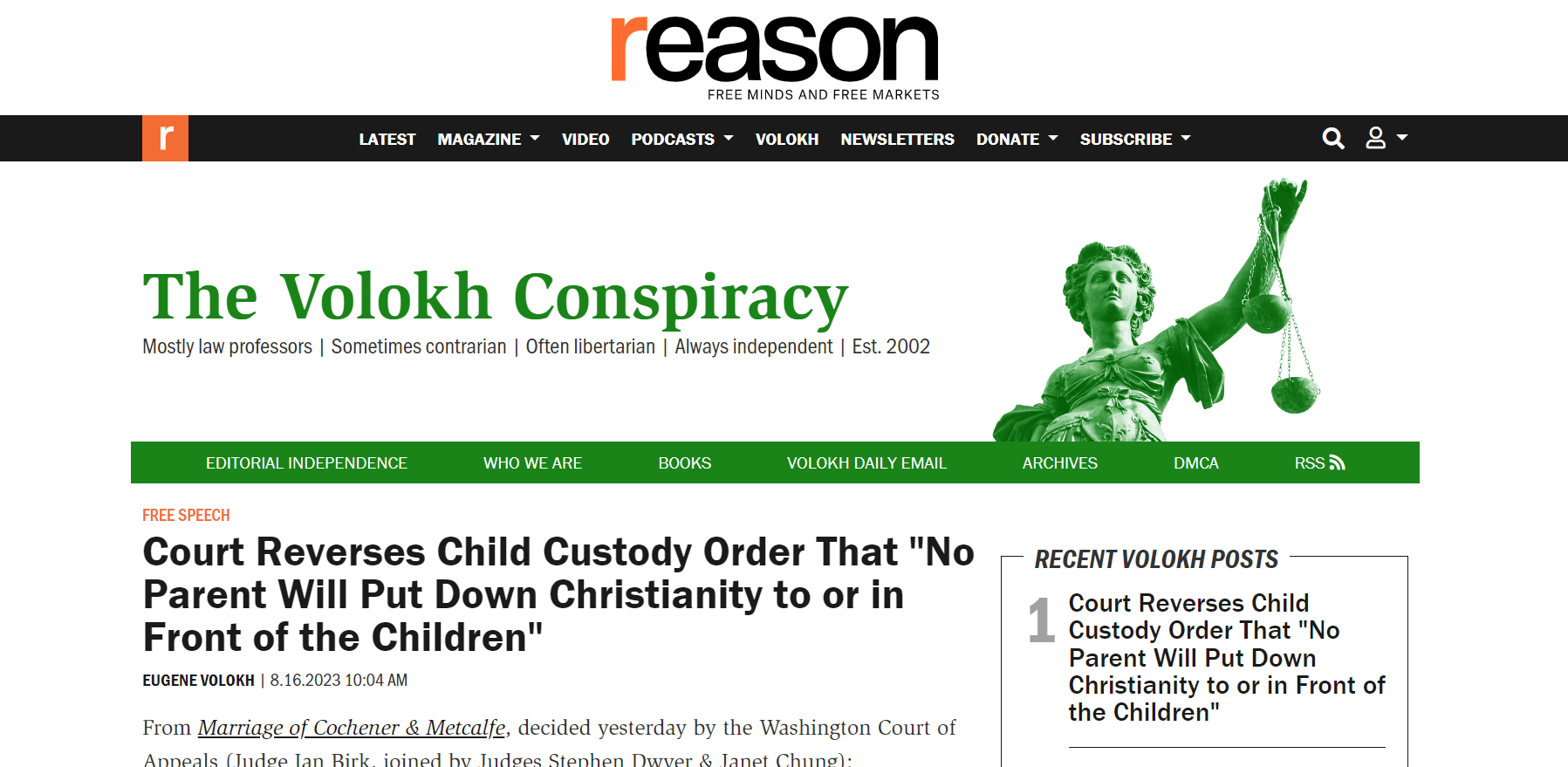
But here’s the cool part: they don’t always agree, so you get different sides of the story. It’s like eavesdropping on an intellectual legal debate.
Why Start a Legal Blog
Being a lawyer today goes beyond just practicing law. It’s also about connecting with people online and showing them you know your stuff.

That’s where having a legal blog comes in handy. Let’s explore three compelling reasons why lawyers should think about starting their own blogs.
Show You’re an Expert
A legal blog serves as an avenue to assert your authority and competence in your chosen legal domains. Articulating your areas of expertise in a concise, organized manner exhibits your adeptness to potential clients.
By furnishing your audience with insightful content, you not only bolster your reputation but also encourage them to share your blogs within their networks, essentially offering you gratis exposure.
Ensuring meticulous use of law citations, buttressed by proper referencing, solidifies your content’s reliability and bolsters your trustworthiness. Presenting comprehensive, properly cited legal information emerges as a formidable marketing tool.
Get New Clients
In today’s world, people who need legal services often use the internet to find out things first. If you have a law firm blog with useful articles, this can attract prospective clients.
Once they see that you really know your stuff, they’ll feel more comfortable asking you for help. You can even write about cases you’ve worked on before. Starting a legal blog is one of the best strategies for law firm marketing.
Just remember, if you talk about your clients’ cases, make sure to keep their identities secret or ask for their permission. This way, you show potential clients that you’re a trustworthy and skilled lawyer.
Help Your Community
Not everyone who reads your blog will need a lawyer. Some people just need a bit of guidance to understand their legal rights. Let’s say someone is having problems at work, and they don’t know what to do.
You could write a blog post explaining their rights and how they can stand up for themselves. This is a great way to help people even if they don’t become your clients. Your blog becomes a way to share your thoughts, tell your story, and be helpful to others.
In summary, starting a legal blog can be a smart move for lawyers. It’s a chance to show off your expertise, attract potential clients, and lend a hand to your community. So, if you’re thinking about whether you should start a legal blog, just remember these three good reasons to give it a try.
How to Start a Legal Blog
Are you ready to venture into the world of legal blogging? Launching a successful legal blog requires a strategic approach. I will walk you through the fundamental steps needed to begin your legal blogging journey.

From selecting your niche and audience to crafting valuable content and promoting your content, let’s delve into the essential elements that pave the way for your blog’s success.
(If you need a more detailed guide on each of these steps, I wrote a comprehensive article on how to start a blog and monetize it and it is worth having a look.)
Define your niche and target audience
Identifying your niche and target audience is a vital step in starting a legal blog. This requires understanding the specific area of law you want to focus on, such as family law, criminal defense or real estate law.
Your niche should reflect your expertise and areas of interest. Next, analyze who would benefit from this information – these are your potential readers.
To identify your target audience, consider the following questions:
- What are the demographics of your target audience? (e.g. age, gender, location, income)
- What are the legal needs of your target audience?
- What are the interests and concerns of your target audience?
- What are the goals of your target audience?
Once you have identified your target audience, you can tailor your blog content to meet their needs and interests.
Carefully aligning your blog’s content with the needs of this group will increase its relevance and appeal immensely. Being clear about these two aspects can also aid in tailoring SEO strategies toward reaching individuals who need your services most effectively.
Selecting a domain name
Coming up with a domain name is a critical step in starting your legal blog. It’s the online address that readers key into their browsers to access your site. Make sure it’s unique, memorable, and aligns with the brand you’re planning to build.
You can use keyword phrases related to legal services for better visibility on search engines.
The process of choosing involves brainstorming relevant names, checking availability, and registering your chosen name with an official registrar like GoDaddy or Namecheap. Domain names should be short, easy to spell, and indicative of what your blog content offers.
The right domain name gives credibility to your platform in the overcrowded world of blogs while strengthening your presence in the legal space.
Choose a platform
Choosing the right platform is a crucial step when starting a legal blog. Look for a blogging platform that is user-friendly and provides customization options to fit your needs.
Consider platforms like WordPress, Blogger, or Squarespace, which offer intuitive interfaces and allow you to create a professional-looking blog.
It’s also important to choose a platform that supports search engine optimization (SEO) techniques so that your blog can be easily discovered by potential clients through online searches.
Additionally, make sure the platform allows you to integrate social media sharing buttons and analytics tools to track your blog’s performance.
Select a hosting provider
Choosing the right hosting provider is a vital step in your legal blog journey. The host ensures your site stays live and reachable by your audience at any time. Various hosting providers offer different plans, so finding one that suits your needs and budget is crucial.
Some popular choices in the industry include Bluehost, Siteground, and InMotion Hosting due to their excellent customer service and impressive uptime statistics. This decision impacts not only the performance of your blog but also influences search results as Google favors sites with faster load times.
So assess each hosting plan carefully before making a choice for launching a successful legal blog today.
Start creating valuable content
Creating valuable content is a crucial step in starting and maintaining a successful legal blog. By publishing high-quality and informative articles, you can establish yourself as an expert in your field and attract potential clients.

Conducting keyword research plays a vital role in content creation, as it enables you to grasp the specific keywords and phrases your intended audience employs when searching for information. For example, if you’re interested in personal injury law firm, you could input this in tools such as Semrush or Ahref which will provide you details on popularity in searches.
It’s important to generate content ideas that are relevant to your target audience and focus on topics within your law practice.
To choose relevant blog post topics, consider the following:
- What are the frequently asked questions of your potential clients?
- What are the current legal issues that your law firm is handling?
- What are the recent changes in the law that affect your target audience?
- What are the common misconceptions about your law firm’s practice areas?
By choosing relevant blog post topics, you can establish yourself as an authority in your practice areas and attract potential clients to your law firm’s website
Remember to include accurate citations of sources and include links when necessary to support your claims or provide additional resources for readers. With compelling headlines and well-written posts, you can drive more traffic to your blog and increase its visibility in search engine results.
Attorney-Client Privilege in Blog Posts
When writing your legal blog posts, it’s essential to understand attorney-client privilege. The attorney-client privilege protects the confidentiality of communications between an attorney and their client. As a result, you should avoid discussing specific cases or clients in your blog posts.
However, you can write about legal issues and provide general information about the law. If you’re unsure about whether a particular blog post would violate attorney-client privilege, it’s best to consult with a legal expert.
In summary, creating your legal blog involves starting to write, creating compelling headlines, and understanding attorney-client privilege. By following these steps, you can create informative and engaging blog content that will help you build your reputation and showcase your legal expertise.
Promoting Your Legal Blog
Once you have started your legal blog, it is important to promote it to reach your target audience. Here are some effective ways to promote your legal blog.
Optimizing for Search Engines
Search engine optimization (SEO) is the process of optimizing your website to rank higher in search engine results pages (SERPs). By optimizing your legal blog for search engines, you can increase your visibility and drive more traffic to your website and law firm.
To optimize your legal blog for search engines, you should focus on using relevant keywords and phrases in your blog posts. Conduct keyword research to identify the most relevant keywords and phrases for your legal practice area. Use these keywords and phrases in your blog posts, headlines, and meta descriptions.
Utilizing Social Media Platforms
Social media platforms are a great way to promote your legal blog and reach a wider audience. Share your blog posts on social media platforms like Facebook, Twitter, LinkedIn, and Instagram to increase your visibility and drive more traffic to your website.

When sharing your blog posts on social media, make sure to use relevant hashtags and tag relevant accounts to increase your reach. You can also use paid social media advertising to target specific audiences and drive more traffic to your website.
Analyzing Blog’s Performance with Google Analytics
Google Analytics is a free tool that allows you to track and analyze your website’s performance. By using Google Analytics, you can track your blog’s traffic, engagement, and conversion rates.
To use Google Analytics, you need to install the tracking code on your website. Once installed, you can track your blog’s performance and identify areas for improvement. Use this data to optimize your blog for search engines and improve your content strategy.
In conclusion, promoting your legal blog is essential to reach your target audience and drive more traffic to your website. By optimizing for search engines, utilizing social media platforms, and analyzing your blog’s performance with Google Analytics, you can increase your visibility and reach your blogging goals.
Tips for Successful Legal Blogging
Keep your subject matter narrow, know your audience, post regularly, consider adding contributors, and let your personality and point of view shine through.
Keep the subject matter narrow
One key tip for successful legal blogging is to keep the subject matter narrow. Instead of trying to cover a wide range of legal topics, it’s best to focus on a specific niche.
By narrowing down your subject matter, you can establish yourself as an expert in that particular area and attract a targeted audience.
This allows you to delve deeper into the topic, provide more valuable insights, and address the specific needs and concerns of your readers. Keeping the subject matter narrow also helps differentiate your blog from others in the crowded legal blogging sphere and increases the likelihood of attracting potential clients who are looking for specialized expertise.
Know your audience
To create a successful legal blog, it is crucial to know your audience. Understanding who you are writing for will help you tailor your content specifically to their needs and interests.
By knowing your target audience, you can address their specific legal concerns and provide valuable information that resonates with them. This will not only attract potential clients but also establish your authority as a knowledgeable and trustworthy legal professional.
So, before you start writing, take the time to research and analyze your audience’s demographics, interests, and preferences to ensure that every blog post hits the mark.
Post regularly
Consistently posting new content is key to maintaining a successful legal blog. By regularly sharing fresh and informative blog posts, you can keep your audience engaged and coming back for more.
This not only helps you build credibility and establish yourself as an authority in the legal industry but also increases your chances of attracting potential clients. Posting on a consistent basis shows that you are committed to providing valuable information and staying up-to-date with the latest legal developments.
So, set a regular posting schedule and make it a priority to deliver high-quality content that resonates with your target audience.
Consider adding contributors
Adding contributors to your legal blog can bring fresh perspectives and ideas to your content. By including other professionals in the legal industry, you can offer a variety of viewpoints on different topics.
This not only adds depth to your blog but also showcases the expertise of others in your field. Collaborating with contributors allows you to expand your reach and attract a wider audience while providing valuable insights to readers.
With multiple voices contributing, you can create a diverse range of content that keeps readers engaged and coming back for more.
Let your personality and point of view shine through
Personalizing your legal blog is essential for connecting with your readers and standing out in a crowded online space. By infusing your personality and point of view into your writing, you can create a unique voice that resonates with your audience.
Share personal anecdotes, opinions, and insights to showcase your expertise and build trust with potential clients. Letting your true self shine through will help you establish a genuine connection that sets you apart from other blogs.
Remember, people want to work with someone they feel connected to, so don’t be afraid to let your personality shine!
Conclusion
In conclusion, starting a legal blog can be a valuable tool for lawyers to showcase their expertise and connect with potential clients.
By defining your niche, leveraging SEO techniques, and consistently creating valuable content, you can build a successful blog that drives traffic to your law firm’s website.
Remember to know your audience, let your personality shine through, and consider adding contributors to provide different perspectives. With dedication and strategic planning, you can establish yourself as a trusted authority in the legal industry through blogging.