

Thinking of turning your hiking passion into a blog?
Starting your own hiking blog can be a great way to share your experiences and knowledge with others who share your passion for hiking.
Whether you’re an experienced hiker or just a beginner and would like to share your experiences, starting a hiking blog can be a fun and rewarding experience.
Having said that, although starting a hiking blog from scratch might feel daunting, it’s actually simpler than you think. If you break down the process to the specific steps you need to follow to get going, it gets easier.
And that’s what I will be focusing on in this article.
Here, I will share the basics of how to start a hiking blog from scratch and grow it to a point where you can make money with it.
Key Takeaways
- Finding your specific interest within the hiking world is crucial. Whether it’s about gear, trails, fitness, or personal experiences, your niche defines your blog’s unique angle and helps you stand out in a saturated market.
- Share personal hiking experiences, offer valuable tips, and provide informative gear guides to keep your audience engaged. Quality content is key to captivating your readers and building a loyal following.
- Utilize social media platforms, implement SEO strategies, start a newsletter, and collaborate with other bloggers to expand your reach. Engaging with your audience and consistently providing value are essential to grow your blog.
- Explore monetization options such as affiliate marketing, Google AdSense, sponsored posts, or selling hiking-related products/services. Once you’ve built an engaged audience, monetizing your blog becomes a viable option.
- Consistency in content creation, branding, and engagement is crucial. Regularly update your blog with fresh and informative content, and stay dedicated to your niche and audience to maintain a successful hiking blog.
Why Should You Start a Hiking Blog?
You can start a hiking blog for many reasons besides looking at it purely from a monetary perspective.

First, if you’re passionate about hiking and the great outdoors, a blog gives you a platform to share your experiences, insights, and love for nature with a like-minded community. In that sense, it is a bit like a travel blog.
Through your blog, you can inspire others to embark on their own outdoor adventures, discover new trails, and connect with nature.
Beyond personal fulfillment, a hiking blog allows you to become a valuable resource for fellow hikers.
You can provide detailed trail guides, tips for staying safe in the wilderness, recommendations for hiking gear, and advice on planning trips.
When you offer practical information and expertise, you contribute to the hiking community and help both novice and experienced hikers make informed decisions.
A hiking blog also enables you to document your own journeys and memories.
Over time, your blog becomes a digital journal of your hiking experiences, preserving moments, photographs, and reflections that you can look back on and cherish.
Another reason to start a blog about hiking is that it enables you to foster connections with other hikers, exchanging stories, and advice.
You can easily build a network of like-minded individuals who share your passion for exploration once you start a blog.
Lastly and although I mentioned this, you can make money with your hiking blog. In fact, some people who live the nomad lifestyle fund themselves through their writing. We’ll get into how you can monetize later.
How to Start A Hiking Blog
Starting a blog has never been easier thanks to user-friendly platforms and tools available today. With just a few simple steps, you can set up your own online space to share your thoughts, experiences, or expertise.
But make no mistake, while starting your hiking blog is the easy part, growing your audience by writing consistently and offering value is where the challenge comes.
We’ll get to that later, first, let me take you through the process of launching your blog:
Step 1: Find Your Niche
To start a hiking blog, the first step is to identify your niche.
This involves finding your specific area of interest within the hiking community and establishing your brand as a knowledgeable source in that niche.
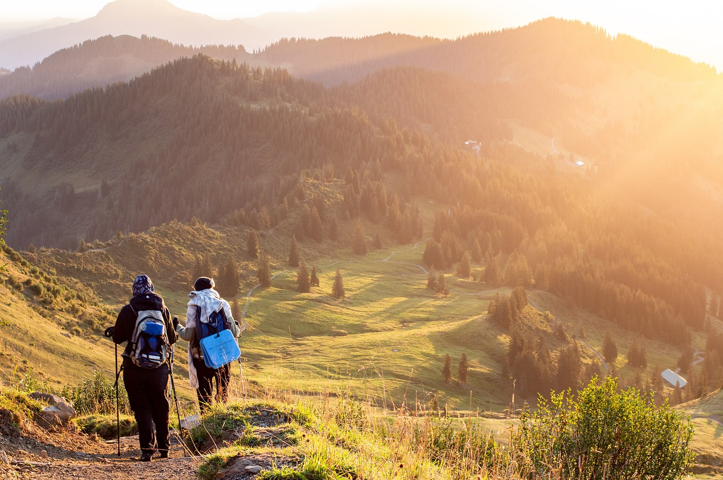
If you want to make it in the blogging world, you need a unique approach, particularly when establishing your hiking blog.
There are many blogs about hiking and the only way you can stand out and find an audience is to start writing in a way that you resonate with hikers or other people who are looking to start hiking.
There are tons of niches you can get into. For example, you can write about Mountaineering, Fitness, Hiking Gear, Day Hikes, Camping, Navigating, Hiking Trails, Backpacking, Long Distance Hiking, and Trekking, just to mention a few.
The first step to finding your niche is to follow your passion. Choose a niche that you’re passionate about for the long haul.
If you love trekking through mountainous terrains or are more drawn towards adventurous forays into caves and gorges, you can write about your experiences. If you are more into the technical aspects, you can write gear reviews, trail guides, or offer fitness tips.
Consistency is key in blogging, so make sure your chosen niche will sustain your interest and enthusiasm over time.
This should be pretty straightforward if you already have the experience. However, if no concrete idea jumps at you when you start thinking about your niche, you can be methodical about it.
Here’s a step-by-step guide to help you out with the process:
- Assess Your Expertise: Consider your level of knowledge and experience in different aspects of hiking. Are you a seasoned hiker with insights into advanced trail routes? Do you have expertise in hiking gear and equipment? Your expertise will help you know what kind of content you will share with your readers.
- Research Audience Demand: Look for gaps in the existing hiking blog landscape. Explore what topics are trending, what questions people are asking, and what information is lacking. This will help you identify areas where you can offer unique and valuable insights.
- Define Your Unique Angle: Your niche should differentiate you from other hiking blogs. Think about what makes your perspective special. Maybe you’re a family-focused hiker, an environmental advocate, or an expert on hiking with pets. Your unique angle will attract a specific audience.
If you still can’t go with one niche, write a few sample blog posts in different niches to see which one resonates most with you and your readers.
Pay attention to engagement and feedback from your audience. You can then adjust your niche or content approach based on what your audience responds to and what you enjoy creating the most.
Step 2: Name Your Hiking Blog
Once you find your niche, you are not out of the woods yet.
Naming your hiking blog is also important because it will set you up for success (or failure if you bungle this).
To find the perfect name for your hiking blog, you need creativity while paying attention to your blog’s focus and audience.
For some people, this one’s easy. But if you are struggling, here’s a step-by-step approach to help you come up with a memorable and engaging name:
- Think about your blog’s focus: Here, you’ll be guided by the niche you chose. Are you focusing on trail guides, gear reviews, personal stories, outdoor photography, or hiking tips? This clarity will guide your naming process.
- Brainstorm Keywords: Create a list of keywords related to hiking and your blog’s focus. Include terms like “hiking,” “trail,” “outdoor,” “adventure,” “nature,” and any other relevant terms that resonate with your niche.
- Mix and match: Combine the keywords you’ve brainstormed to create unique name combinations. Experiment with different combinations until you find one that sounds catchy and aligns with your blog’s theme.
- Play with puns and wordplay: You don’t have to be too serious now. Incorporate wordplay, puns, or creative twists to make your blog name more memorable and fun. Consider how you can cleverly use hiking-related terms to create an intriguing name.
- Keep it short and memorable: Choose a name that is easy to remember and type. Avoid long and complex names that can be difficult for readers to recall.
- Think about future growth: Choose a name that allows for flexibility as your blog expands. While your niche may be specific now, your blog’s content might evolve over time.
- Test with friends and family: Share your top name choices with friends and family to gather feedback. They might offer valuable insights and help you identify any potential issues with the names.
Before finalizing your blog name, make sure the corresponding domain name is available. Having a matching domain name makes it easier for readers to find your blog online.
For example, if you choose to name your blog “Best Hiker Alive,” check whether “besthikeralive.com” is available. You can check that through domain registrars like Namecheap and GoDaddy.
Also check if the name is available as social media handles on platforms like Instagram, Twitter, and Facebook. Having consistent handles across platforms helps with brand consistency, something you’ll come to appreciate later on.
Step 3: Find a Web Host
When choosing a web host for your hiking blog, you should think about:
- Your blog’s requirements, such as traffic volume, storage needs, and any special features you’ll need. This will help you determine the type of hosting you need, such as shared, VPS, or dedicated hosting.
- Reliability and Uptime: Look for a web host that guarantees high uptime (ideally above 99.9%). A reliable host ensures your blog is accessible to visitors without frequent downtimes.
- Customer Support: Opt for a web host that offers excellent customer support. 24/7 live chat, phone, and email support can be crucial if you encounter technical issues.
- Security Measures: Security is essential to protect your blog and user data. Ensure the host offers features like SSL certificates, regular backups, and robust security protocols.
- Server Location: Select a host with servers located in or near your target audience’s geographical location. This reduces latency and improves loading times for visitors.
If you are finding that many hosts are meeting your requirements, you can break the tie by checking if the host offers additional features like website builders, free domain registration, free SSL certificates, or email services.
Purchase your domain name separately and integrate it with your host or buy it from the web host if they offer you a good deal.
You’ll find instances where the web host gives you a free year of your domain name if you commit to purchasing it from them. Others will give you the first year at a heavily discounted rate to entice you.
Free Hosting vs Self Hosting
You can start your hiking blog without paying a dime by opting for a free service like WordPress.com, Wix, Medium, Tumblr, or Blogger.
These platforms are user-friendly and require minimal technical knowledge to get started. They handle updates and security, relieving you of technical maintenance tasks and you don’t need to pay for hosting, making it an economical option if you can’t spend or don’t want to spend money at first.
However, there are downsides to free hosting. For example, free platforms offer limited design and functionality customization you will have limited control over branding and may be required to display platform-related ads.
Monetization options are restricted, making it challenging to generate substantial income.
You’ll also have a subdomain (e.g., yourblog.wordpress.com), which might not look as good or professional as a custom domain.
With those limitations, it makes more sense to purchase self-hosting services particularly since you can even find some services offering hosting packages for $2 a month.
With self-hosting you have complete control over design, functionality, and branding. You can use a custom domain, which enhances your site’s professionalism and branding.
You can monetize your blog using various methods, including ads, affiliate marketing, and selling products.
You can also use plugins to add advanced features and functionalities to your site.
With self-hosting, you’ll need to manage hosting, updates, and security, which might require some technical know-how and you’ll need to regularly update plugins and themes and manage security measures.
There might be a learning curve, especially if you’re new to website management but it is manageable and there are tons of tutorials and free resources online.
In summary, if you’re a hobbyist looking to share personal content, a free platform might suffice. However, if you’re serious about blogging, building a brand, monetizing, and having full control over your website, a self-hosted platform offers more benefits, even if it involves a bit more effort and cost.
Step 4: Choose a Blogging Platform
There are many different options available, each with its own set of pros and cons.
WordPress is the most popular blogging platform, and for good reason:
It’s easy to use, customizable and has a large community of users and developers. However, there are other platforms that may be a better fit for your needs.
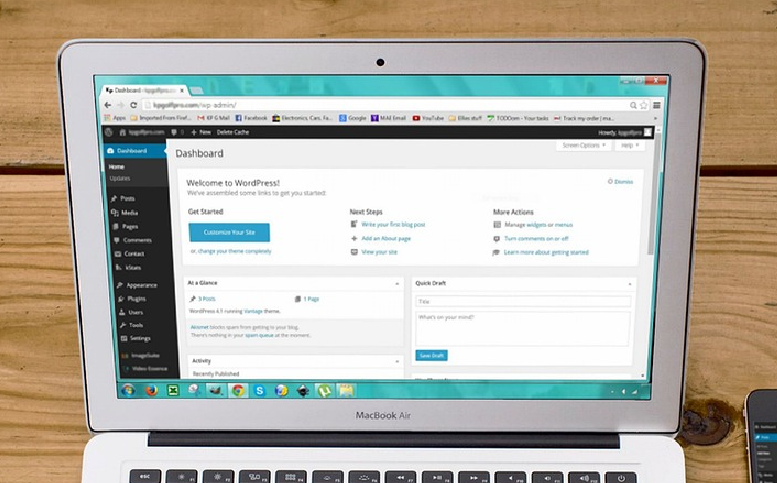
One alternative to WordPress is Squarespace. Squarespace is a website builder that allows you to create a professional-looking website without any coding knowledge.
It’s a great option if you want to focus on design and don’t want to spend a lot of time on technical details.
Another option is Wix, which is similar to Squarespace in that it’s a website builder, but it offers more flexibility when it comes to customization. It also has a large selection of templates to choose from, making it easy to get started.
When it comes to installing the platform, you’ll find a lot of help online from YouTubers, other blogs, and vendors (WordPress, for example).
Step 5: Set Up Your Hiking Blog
Having bought your hosting service, and domain name, and installed your platform, you need to set up your blog.
In this section, we will cover two important steps to get your blog up and running: Design and Theme Selection and Installing Google Analytics.
Design and Theme Selection
Your blog’s design is the first thing that readers will notice when they visit your website. Therefore, choose a design that reflects your niche and personality.
If your blogging platform is WordPress, you can either choose a free WordPress theme or purchase a paid theme that offers more customization options.
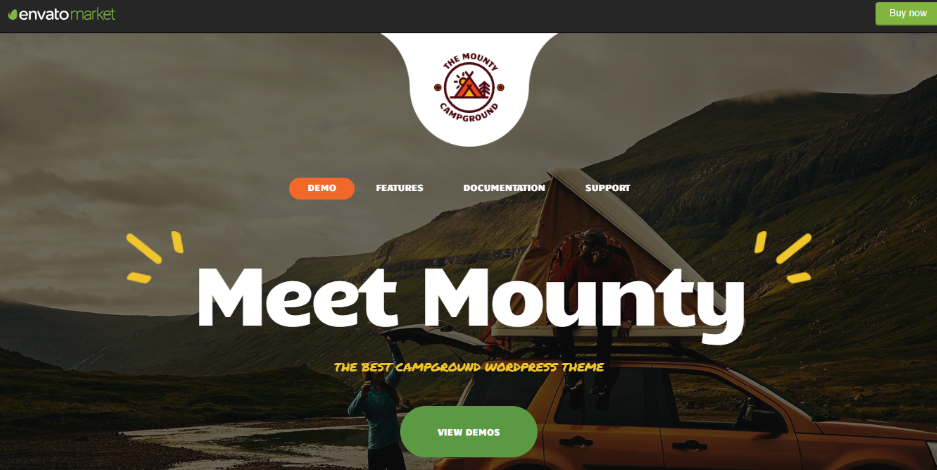
When selecting a theme, make sure it’s mobile-friendly, fast-loading, and easy to navigate.
Your blog’s design should also be consistent, visually appealing, and easy to read.
Avoid using too many colors or fonts that may distract your readers from your content; try to be minimalist if you can. There’s a good reason why the minimalist trend is catching on.
If you’re not confident in your design skills, you can hire a professional designer to create a custom theme that meets your needs. However, keep in mind that this option can be costly.
Install Plugins
Installing plugins on WordPress is a straightforward process that enhances your blog’s functionality and features.
At the WordPress dashboard on the left-hand side, you’ll find the “Plugins” option.
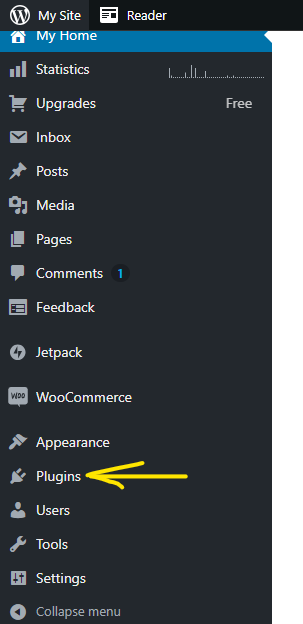
Once you’ve found a plugin you want to install, click the “Install Now” button next to it. WordPress will start installing the plugin.
Here are some important plugins that can benefit your hiking blog:
- Yoast SEO: This plugin helps optimize your blog for search engines by providing tools to improve on-page SEO, meta tags, readability, and more.
- Akismet Anti-Spam: Protect your blog from spam comments with this plugin, which filters out unwanted content and ensures the quality of your comments section.
- W3 Total Cache or WP Super Cache: These plugins improve your blog’s speed and performance by caching content and reducing loading times for visitors.
- Jetpack: Offering a suite of features including site statistics, social sharing, security, and more, Jetpack streamlines various functionalities into a single plugin.
- MonsterInsights: If you’re interested in tracking your blog’s performance with Google Analytics, this plugin simplifies the process and provides valuable insights.
Remember that while plugins can be powerful tools, using too many can slow down your blog’s performance.
You should regularly review and update them to ensure they remain effective and compatible with your WordPress version.
Integrate Google Analytics
Google Analytics is a free tool that tracks your website’s traffic and provides valuable insights into your readers’ behavior.
With it, you can learn more about your audience, such as their location, age, gender, and interests.
To install Google Analytics, you need to sign up for a free account and add a tracking code to your website. You can then access your website’s analytics data by logging into your Google Analytics account.
By analyzing your website’s data, you can identify popular blog posts, track your website’s traffic sources, and optimize your content for search engines. This information can help you grow your blog’s readership and improve your content strategy.
Step 6: Write Your First Blog Post
After setting up your blog, make it official with your first blog post!
It doesn’t have to be perfect and there’s no formula for what it has to look like.

It can be an opportunity to introduce yourself to your readers and set the tone for your blog. You can start by sharing a little bit about yourself and your love of hiking.
You might also want to include some information about what readers can expect from your blog in the future.
You can even dive straight in and share a story about one of your favorite hikes or provide some tips for beginners.
When it comes to the content of your first blog post, keep it simple and straightforward. Ideally, you want a great blog post but even if it’s not the best, you can always edit it later.
How to Generate Content for a Hiking Blog
Earlier we talked about choosing a niche and having set up your blog, there are a few things that you can do to ensure you never lack content for your hiking blog:
Share Personal Hiking Experiences
One of the most effective ways to engage your readers is by sharing your personal hiking experiences.
Whether it’s a story about a challenging hike or a beautiful view you discovered along the way, personal stories can help your readers connect with you on a deeper level.
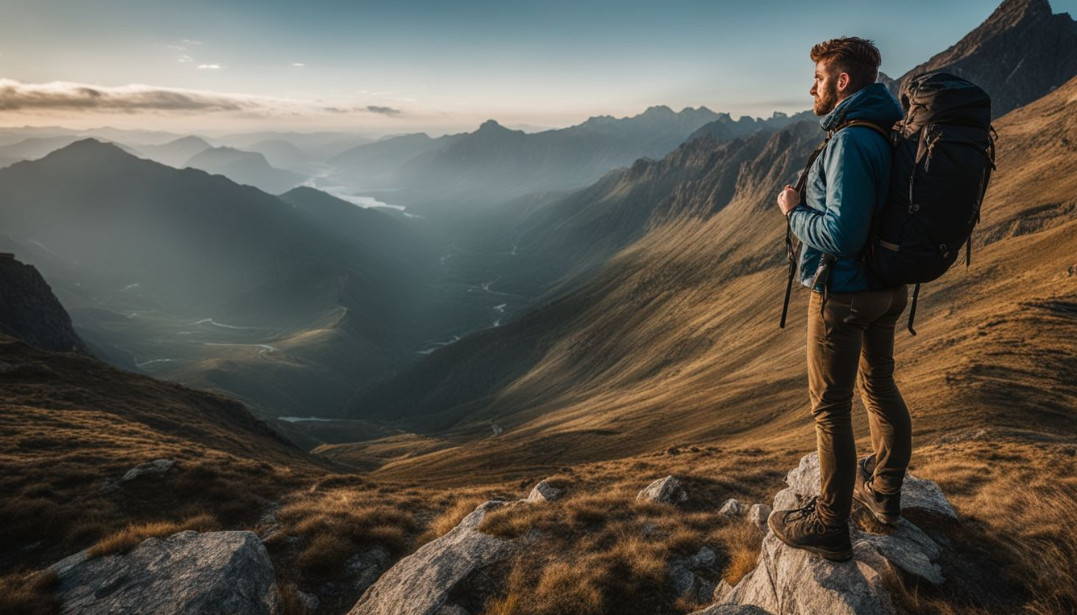
When sharing personal stories, be sure to include plenty of details to help your readers feel like they were there with you. You might also want to include some photos or videos to bring your experiences to life.
Take Notes and Keep a Travel Journal
Taking notes and keeping a travel journal are habits that allow you to document your experiences and insights while out on the trails, ensuring you have plenty of material to create engaging content for your blog.
Here are some tips on how to effectively take notes and maintain a travel journal for your hiking adventures:
- Carry a small notebook or use a note-taking app on your smartphone to jot down important details during your hikes. Record interesting trail features, wildlife sightings, and any standout moments that capture the essence of your hiking experience.
- Take notes on the condition of the trails, difficulty levels, and any noteworthy challenges or obstacles you encountered. Include information about weather conditions, gear used, and any adjustments you made along the way.
- Capture the emotions and feelings that arise during your hikes – these personal reflections add depth to your blog posts.
That may feel like a lot especially when you are starting out but once it becomes a habit, you’ll be doing it on autopilot.
Capture Great Photos
Your readers want to see the beauty and adventure of the outdoors through your eyes, so it’s important to invest time in honing your photography skills.
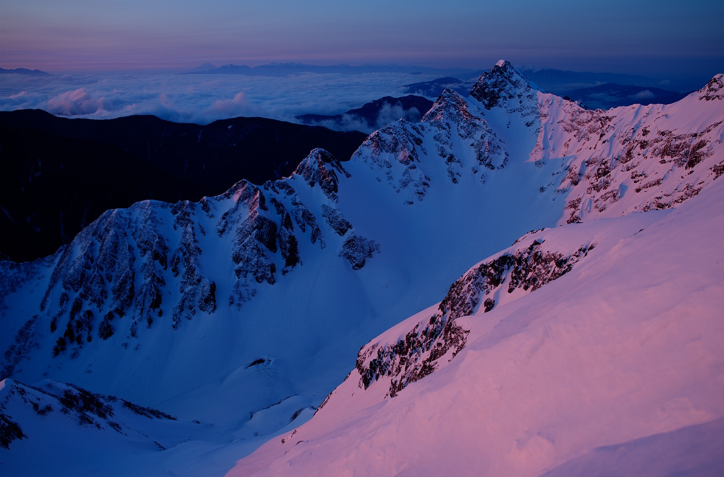
Make sure you have a good camera. Nowadays, smartphones have really good cameras that you can use to take high-quality photos.
Therefore, you don’t need to splurge on a new camera just to get your blog going.
You should also learn the basics of good photography. That includes things like composition, lighting, and editing techniques to enhance your images.
When you are out on the hiking trail, you can experiment with different angles and perspectives to bring out the unique aspects of each hike.
By capturing stunning photos that showcase the natural world and evoke emotions, you can truly engage your audience and make them feel like they are experiencing the hike alongside you.
Provide Hiking Tips and Gear Guides
Another great way to engage your readers is by providing them with helpful hiking tips and gear guides.
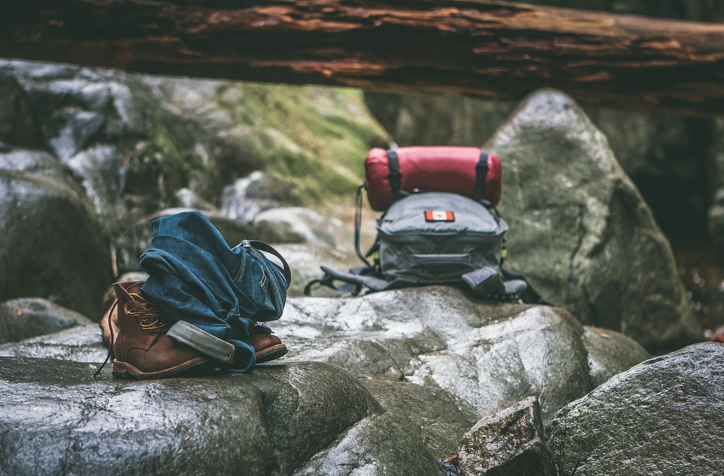
Whether it’s advice on how to choose the best hiking boots or a guide to the best hiking trails in your area, providing valuable information will establish you as an authority in the hiking community.
When creating posts about hiking tips and hiking gear guides, do your research and provide accurate information.
You may include photos or videos to help illustrate your points.
How to Grow Your Hiking Blog
In this section, we will discuss strategies for growing your hiking blog and reaching a larger audience. From creating social media profiles to implementing SEO techniques, we’ll give you the tools you need to expand your blog’s reach and make an impact in the hiking community.
Don’t miss out on these valuable tips to take your hiking blog to the next level!
Use Social Media
Creating social media profiles is an important step in growing your hiking blog. It allows you to connect with a wider audience and share your content effectively.

Here are some key points to consider when creating social media profiles for your hiking blog:
- Choose the right platforms: Select social media platforms that are popular among outdoor enthusiasts, such as Facebook, Instagram, and Twitter.
- Create a consistent brand: Use the same username, profile picture, and bio across all your social media profiles to maintain a cohesive brand identity. Remember, we went through how you should check this before you come up with your blog name. They don’t have to all match, but it’s better.
- Post engaging content: Share captivating photos of your hiking adventures, useful tips, and interesting articles to keep your followers engaged.
- Interact with your audience: Respond to comments, messages, and mentions on social media to build relationships with your followers and fellow hikers.
- Utilize hashtags: Include popular hiking-related hashtags in your posts to increase visibility and reach a larger audience.
Social media can be a powerful ally in your promotion efforts.
Implement SEO
Implementing SEO is crucial for the success of your hiking blog. Here are some key strategies to help boost your online visibility and attract more readers:
- Conduct thorough keyword research to identify popular search terms related to hiking. Incorporate these keywords naturally into your blog posts to improve your chances of ranking higher in search engine results.
- Optimize your meta tags, including title tags and meta descriptions, with relevant keywords. This will improve the visibility of your blog in search engine listings and entice users to click on your link.
- Create high-quality, informative, and engaging content that provides value to your readers. The better the quality of your content, the more likely it is to be shared and linked to by other websites, which can improve your search engine rankings.
- Use internal links within your blog posts to guide readers to relevant content on your website. This helps search engines understand the structure of your site and improves user experience by allowing them to easily navigate between related articles.
- Include outbound links to reputable sources or other authoritative hiking blogs when relevant.
- Optimize images on your blog by using descriptive file names and alt tags that include relevant keywords. This makes it easier for search engines to understand the context of the images and improves their chances of appearing in image searches.
Optimizing your content for SEO enhances your hiking blog’s visibility.
Start a Newsletter
Creating a newsletter for your hiking blog can help you engage with your audience and keep them updated on new content and exciting hiking adventures.
It’s really easy to set up. Just select a reliable email marketing platform that suits your needs. Popular options include Mailchimp, ConvertKit, and AWeber.
When you start sending newsletters, set a consistent schedule and stick to it. Consistency helps in building trust with your subscribers.
Also, include clear call-to-actions in your newsletter. This could be visiting your blog, subscribing to your social media profiles, or purchasing recommended hiking gear.
Collaborate with Other Bloggers
Collaborating with other bloggers can help you reach a new audience. Consider guest posting on other hiking blogs or inviting other bloggers to write a guest post on your blog.
How to Make Money with Your Hiking Blog
Having grown your audience, you can consider monetizing your hiking blog. There are a few ways to achieve that:
Affiliate Marketing
Affiliate marketing is a popular way to make money from your blog. You earn a commission for promoting products or services on your blog.
For example, if you know the best hiking gear and would like to share it with your audience, you can use your outdoor blog to promote something that will make people’s experiences better (and make money in the process, a win-win).
To get started with affiliate marketing, you need to join an affiliate program or an affiliate network. Affiliate programs are run by the vendors such as Salomon.
There are several affiliate networks available, including Amazon Associates, ShareASale, and Commission Junction.
You can write product reviews, create gift guides, and ensure that you include affiliate links in your blog posts.
To be successful with affiliate marketing, you need to choose products that are relevant to your audience. You also need to disclose that you are using affiliate links in your blog posts.
Google Adsense
Google Adsense is an advertising program that allows you to earn money by displaying ads on your blog. When someone clicks on an ad, you earn a small amount of money.
To make money with Google Adsense, you need to have a lot of traffic to your blog. You also need to place the ads in strategic locations on your blog.
Sponsored Posts
Sponsored posts are another way to make money from your blog. A sponsored post is a blog post that is written in exchange for payment or free products.
To get started with sponsored posts, you need to reach out to companies in your niche and pitch them your services.
When writing a sponsored post, it’s important to disclose that it is sponsored. You also need to make sure that the post is relevant to your audience and provides value otherwise people will be turned off.
Keep in mind that sponsored posts should not be the main focus of your blog. Your readers come to your blog for your expertise and insights, not to be sold products.
Sell Hiking Equipment and Services
You can start selling outdoor-related products, and even offering personalized hiking coaching or guided tours.
Conclusion
Starting a successful blog may seem overwhelming at first, but with the right planning and tools, you can establish a successful online presence. Hopefully, this post will prove helpful in that regard.
We’ve discussed choosing your niche, creating engaging content, growing your audience through social media and SEO strategies, and monetizing your blog.
On top of that, don’t forget to regularly update your blog with fresh content to keep readers coming back for more because the key to success is consistency.
Also, don’t forget to keep learning and growing. Stay up to date with the latest trends and techniques in the world of hiking blogging.
As a hiking blogger, you have the opportunity to inspire others and build a community around your passion.
So what are you waiting for? Get out there and start your blogging journey today!